How To Choose A Quality Preschool Program
Choosing a preschool program is one of the most important early decisions a parent can make. Preschool is often a child’s first experience in a structured learning environment outside the home, and the quality of that experience can shape their confidence, curiosity, and love of learning for years to come. With so many options available, it can feel overwhelming to determine which program is truly the right fit for your child.
Understanding what defines a quality preschool—and why Montessori-based preschool programs stand out—can help you make an informed and confident choice.
Look Beyond Basic Childcare
A quality preschool program is more than a safe place for children to spend the day. While safety and supervision are essential, the best programs focus on intentional learning, emotional development, and independence.
Strong preschool programs provide an environment where children are encouraged to explore, ask questions, and develop skills at their own pace. Montessori schools, in particular, are designed to support the whole child—academically, socially, emotionally, and physically—rather than relying on one-size-fits-all instruction.
Consider the Learning Philosophy
One of the most important factors when choosing a preschool is the educational philosophy behind the program. Traditional preschools often rely on structured group lessons, set schedules, and teacher-led instruction. While this approach works for some children, it may not support individual learning styles.
Montessori schools are built on a child-centered philosophy that encourages independence, hands-on learning, and intrinsic motivation. Children are given freedom within clear boundaries, allowing them to choose activities that align with their interests and developmental readiness. This approach fosters confidence, self-discipline, and a genuine love for learning—qualities that benefit children well beyond preschool.
Observe the Classroom Environment
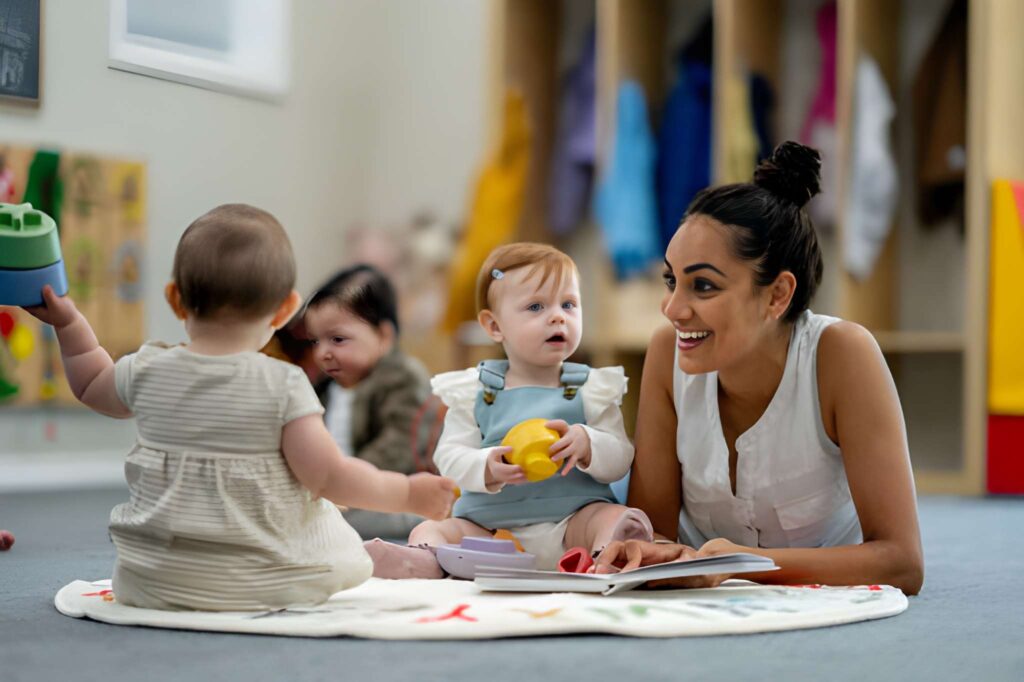
The physical environment of a preschool classroom tells you a lot about the program. In a quality Montessori classroom, materials are carefully arranged, accessible to children, and designed to promote purposeful work. Everything in the room has a reason and a place.
Montessori classrooms are typically calm, orderly, and inviting. Children move freely between activities, working independently or in small groups. This type of environment helps children develop focus, responsibility, and respect for their surroundings, rather than relying on constant adult direction.
Teacher Training and Experience Matter
The role of the teacher in a preschool setting is critical. In Montessori schools, teachers are specially trained to observe children, guide learning, and introduce materials at the appropriate time rather than leading the classroom through rigid lesson plans.
Quality preschool educators understand child development and know how to support learning without pressure. Montessori teachers act as guides, helping children problem-solve, build resilience, and develop independence. When evaluating a preschool, ask about teacher credentials, training, and ongoing professional development.
Emphasis on Independence and Life Skills
One of the defining benefits of Montessori preschool programs is their emphasis on independence and practical life skills. Children learn how to care for themselves, their environment, and others through everyday activities such as cleaning up, preparing snacks, and managing personal belongings.
These experiences help children develop confidence, coordination, and a sense of responsibility. Instead of doing things for children, Montessori educators empower them to do things for themselves—an approach that builds strong self-esteem and problem-solving skills from an early age.
Mixed-Age Classrooms and Social Development
Montessori preschools often feature mixed-age classrooms, typically spanning three years. This structure allows younger children to learn by observing older peers, while older children reinforce their knowledge by mentoring younger classmates.
This dynamic encourages collaboration rather than competition. Children develop empathy, leadership skills, and respect for others at different stages of development. Social interactions feel more natural and less forced, creating a supportive community within the classroom.
Focus on Emotional and Social Growth
Academic readiness is important, but emotional and social development is equally critical in early childhood. Quality preschool programs prioritize emotional regulation, communication skills, and respectful interactions.
Montessori education places a strong emphasis on grace and courtesy, teaching children how to express themselves, resolve conflicts, and treat others with kindness. These skills help children transition smoothly into elementary school and beyond, both academically and socially.
A Love of Learning That Lasts
Perhaps one of the greatest advantages of a Montessori preschool is the way it nurtures a lifelong love of learning. Instead of relying on rewards, worksheets, or external pressure, Montessori programs encourage curiosity and intrinsic motivation.
Children learn because they are interested, engaged, and proud of their work. This internal drive to learn often leads to greater confidence, persistence, and enthusiasm as children grow.
Trust Your Instincts as a Parent
While research and observation are essential, trusting your instincts also matters. Visit potential preschools, observe classrooms in action, and notice how children and teachers interact. A quality preschool should feel calm, purposeful, and respectful—both toward children and families.
Ask questions, take your time, and choose a program that aligns with your values and your child’s unique needs.
Final Thoughts: Choosing A Preschool For Your Child
Choosing a quality preschool program is an investment in your child’s future. Montessori schools offer a thoughtful, research-based approach that supports independence, emotional growth, and a strong academic foundation—while honoring each child’s individuality.
At Monarch Montessori School, families are welcomed into a nurturing Montessori environment designed to help children thrive during their most important developmental years. Located at 2 Newark Pompton Turnpike, Little Falls Township, NJ 07424, Monarch Montessori School provides a warm, engaging preschool experience that supports confident, capable, and curious learners.

